
Claude Opus 4.6 : The AI Model Redefining Intelligent Assistance
1. Introduction: Why Claude Opus 4.6 Matters ?
Artificial intelligence is evolving at a speed we’ve never seen before. Every few months, new models promise better reasoning, cleaner writing, and smarter decision-making. Among these advances, Claude Opus 4.6 stands out as one of the most refined and human‑aligned AI models available today.
In this article, we’ll explore what makes Claude Opus 4.6 special, how it compares to other leading AI models, and why it’s becoming a favorite for developers, content creators, and businesses.

2. What Is Claude Opus 4.6?
Claude Opus 4.6 is a large language model designed to understand complex instructions, reason deeply, and generate high‑quality responses across writing, coding, and analysis tasks.
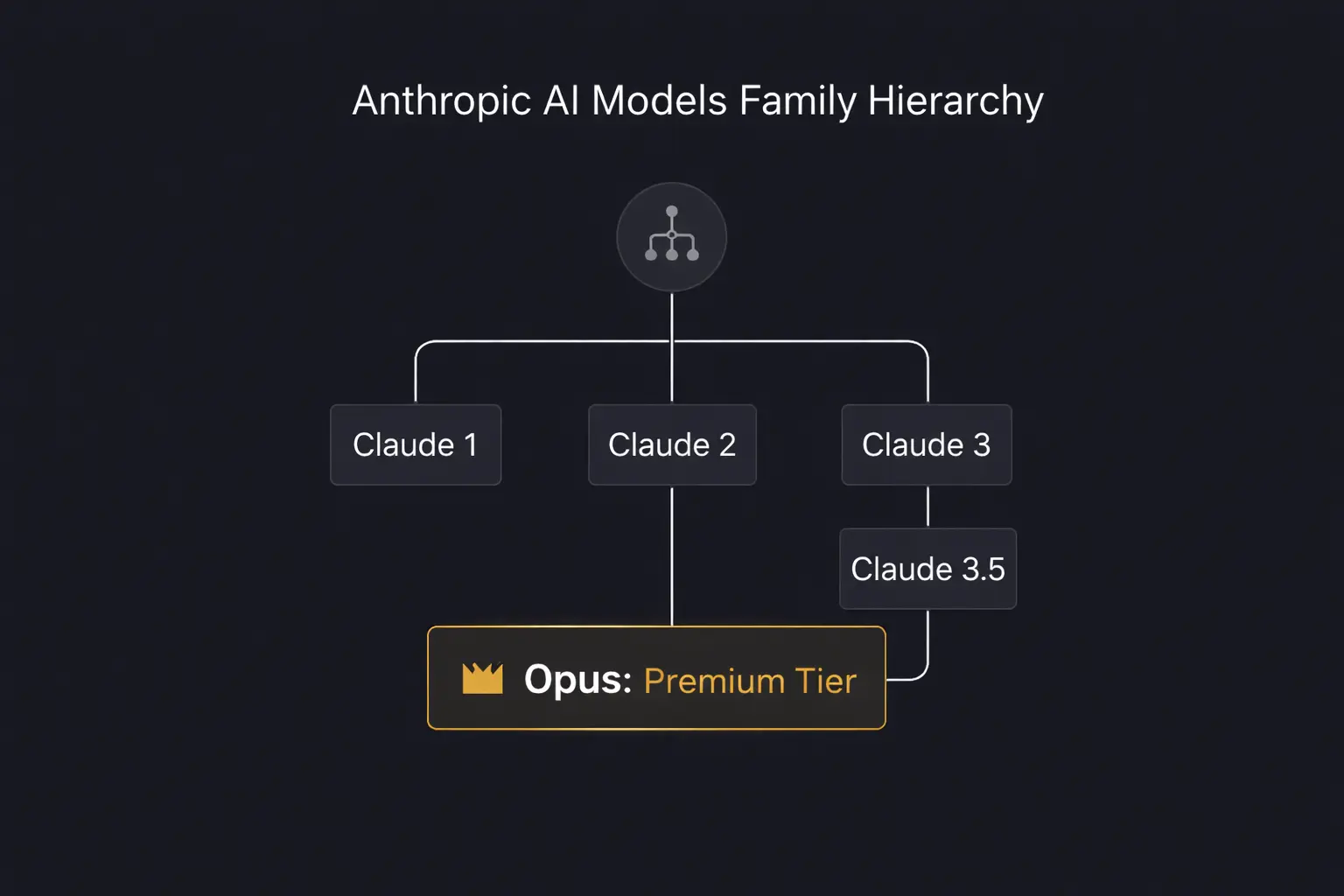
It belongs to the Claude family of models, where Opus represents the most powerful tier built for users who need precision, depth, and reliability rather than quick surface‑level answers.
3. What’s New in Claude Opus 4.6?
Claude Opus 4.6 introduces meaningful refinements that improve both performance and usability:
- Stronger reasoning for complex, multi‑step problems
- More accurate and readable long‑form writing
- Improved code generation, explanation, and debugging
- Better handling of long context and detailed instructions
- Safer and more controlled responses
4. Claude Opus 4.6 vs Other AI Models
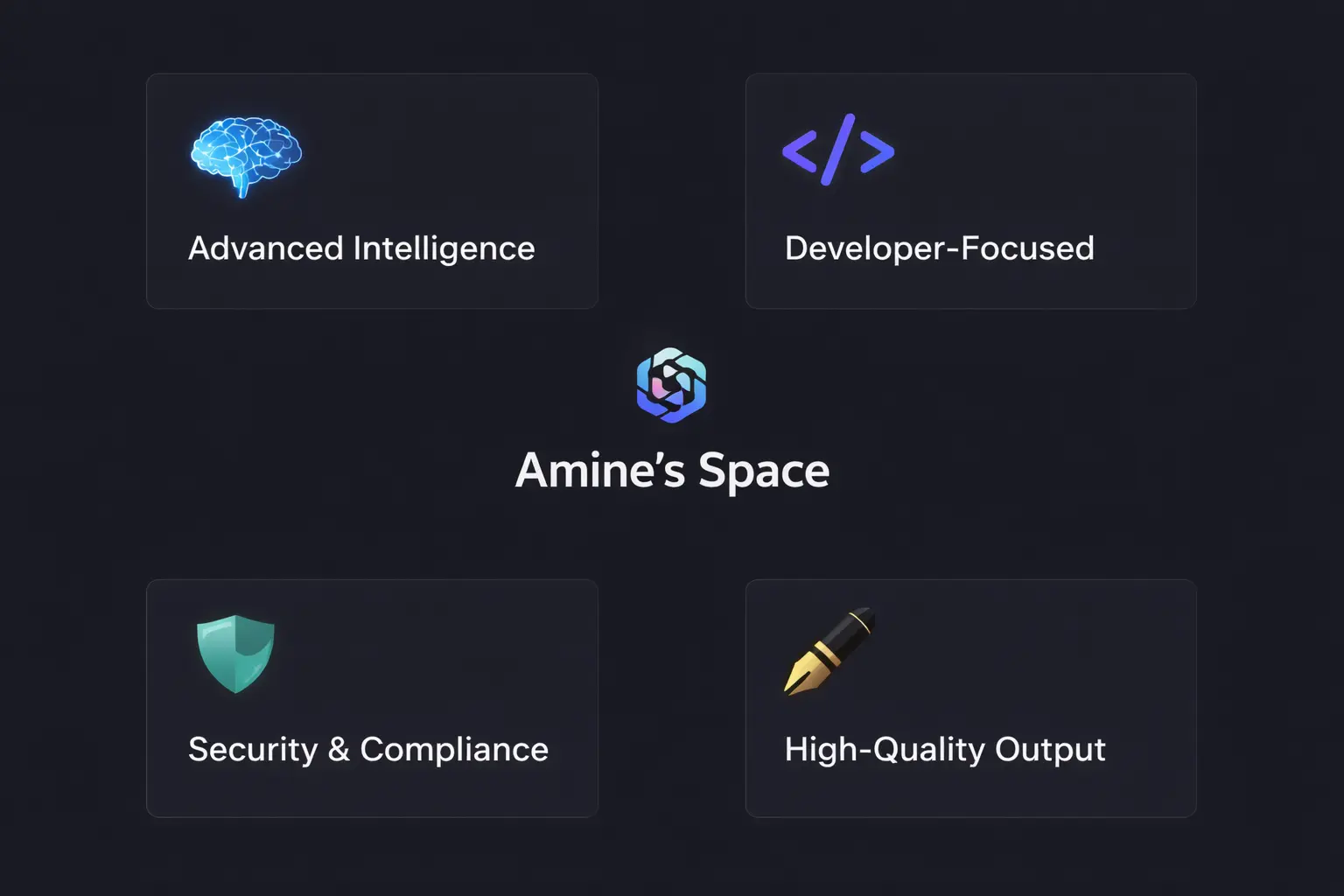
When compared to other advanced AI models, Claude Opus 4.6 focuses heavily on clarity, reasoning, and alignment. Instead of just being fast, it aims to be thoughtful and precise.
Key comparison areas include:
- Reasoning depth
- Writing quality
- Code accuracy
- Safety and response control

5. Real‑World Use Cases
Claude Opus 4.6 is designed for practical, everyday professional use:
- Developers: Debugging, refactoring, code explanations
- Content creators: Articles, scripts, marketing copy
- Businesses: Reports, analysis, workflow automation
- Students: Learning support, summaries, research help

6. Claude Opus 4.6 for Content Creators
For bloggers, marketers, and educators, Claude Opus 4.6 excels at structured long‑form content. It helps transform rough ideas into polished articles while maintaining tone consistency and logical flow.
It’s especially effective for:
- SEO‑friendly article structures
- Clear explanations of complex topics
- Multilingual content creation

7. Strengths and Limitations
No AI model is perfect, and transparency matters.
Strengths:
- Deep reasoning and analysis
- High‑quality, natural writing
- Excellent long‑context understanding
Limitations:
- Premium access required
- No real‑time data without external tools
- Still requires human judgment

8. Is Claude Opus 4.6 Worth It?
Claude Opus 4.6 is ideal for users who value quality over speed and need dependable AI assistance for serious work. If your tasks involve deep thinking, writing, or technical precision, Opus is a strong investment.
For lighter or casual use, smaller models may be sufficient—but for professional workflows, Opus 4.6 clearly stands out.

9. Final Thoughts
Claude Opus 4.6 represents a shift toward more thoughtful and responsible AI. Instead of just generating text, it acts as a true assistant—one that understands context, respects nuance, and supports real productivity.
As AI continues to evolve, models like Opus 4.6 set the standard for what intelligent assistance should look like.

Ready to experience next‑level AI reasoning and content creation?
👉 Explore Claude Opus 4.6 and other premium AI tools in our digital store, and upgrade the way you work today.